Implemented by the Rural Agency for Community Development and Assistance (RACIDA) with support from Johanniter International Assistance (JIA)
In drought-affected Shabeley Woreda, Ethiopia, the Rural Agency for Community Development and Assistance (RACIDA), with support from Johanniter International Assistance (JIA), is implementing a climate-smart Permagardening initiative to transform small household spaces into productive sources of nutritious food, strengthen local food production, and enhance community resilience to recurrent climate shocks. The project targets vulnerable households in Woobley and Ara-Aska Kebeles, equipping them with practical, sustainable gardening skills that contribute to improved food security and nutrition.
The intervention responds to persistent drought conditions characterized by repeated rainfall failures, water scarcity, and declining agricultural productivity. These challenges have significantly affected agro-pastoralist communities by reducing food availability, limiting dietary diversity, weakening household purchasing power, and increasing vulnerability to malnutrition. Through climate-smart Permagardening, the project aims to strengthen household food production, promote efficient use of natural resources, and support more resilient and sustainable livelihoods.
Turning practical skills into lasting change
At the core of the initiative is a practical, climate-smart approach that enables households to maximize the use of limited land and water resources while adopting sustainable food production practices. Through hands-on learning and locally appropriate techniques, the project is strengthening community capacity to produce nutritious food and build resilience to climate-related shocks.
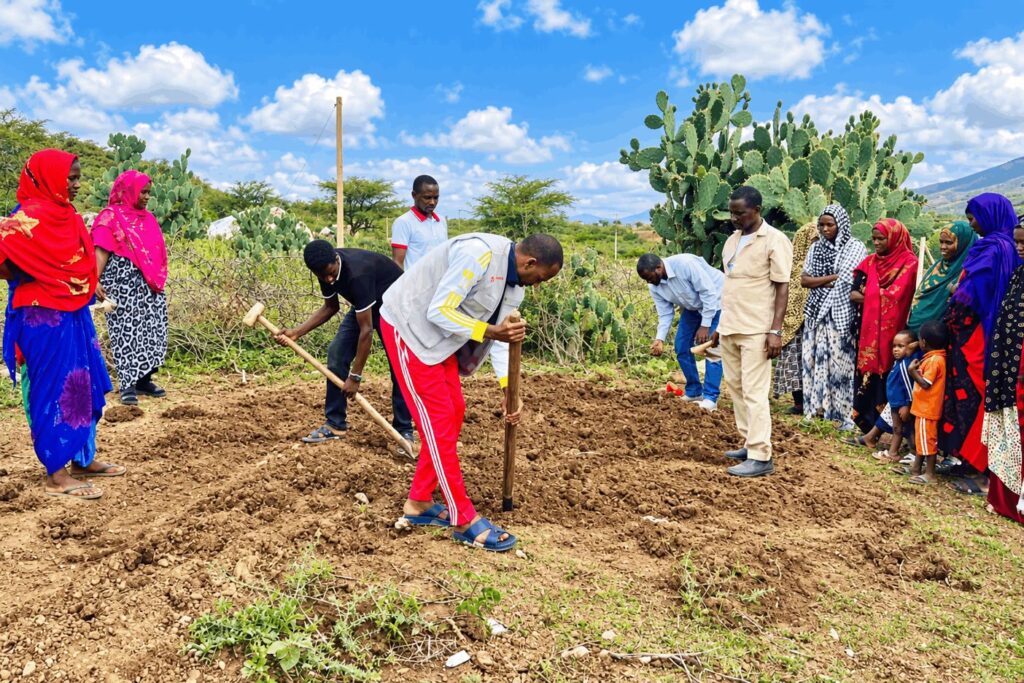
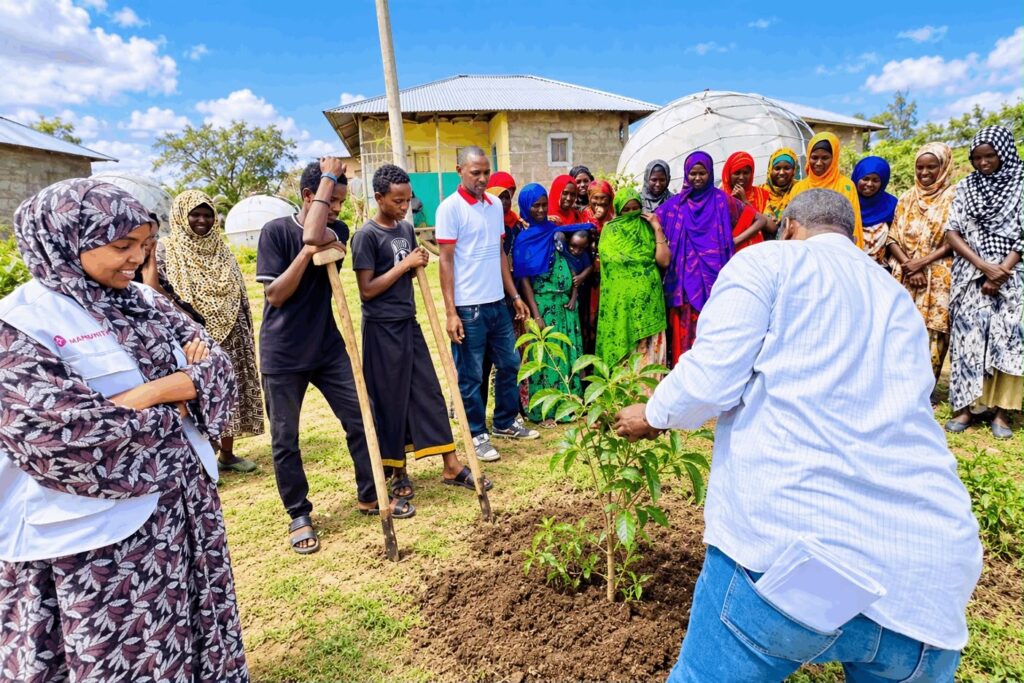
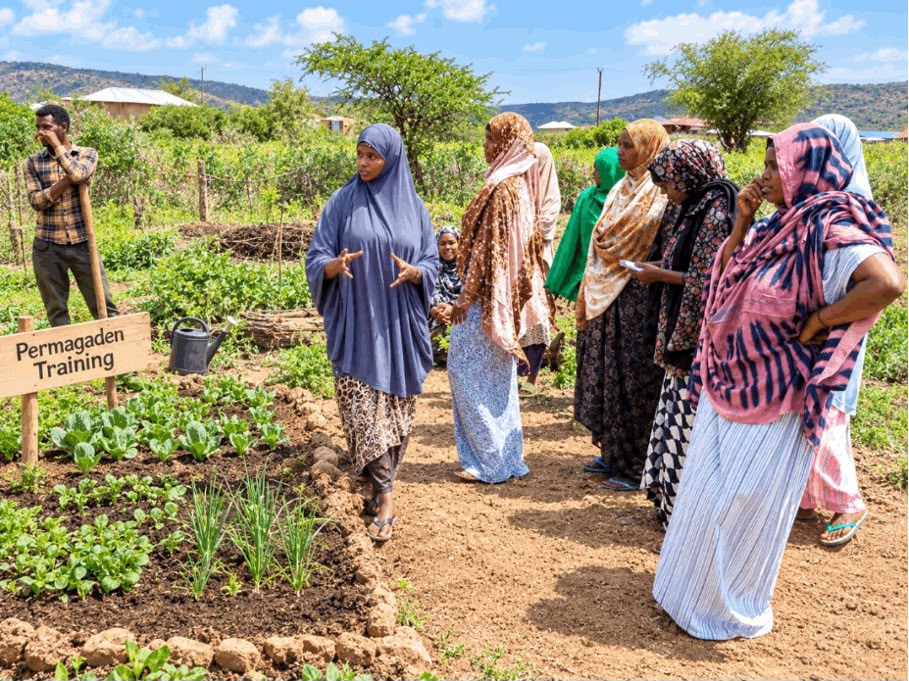
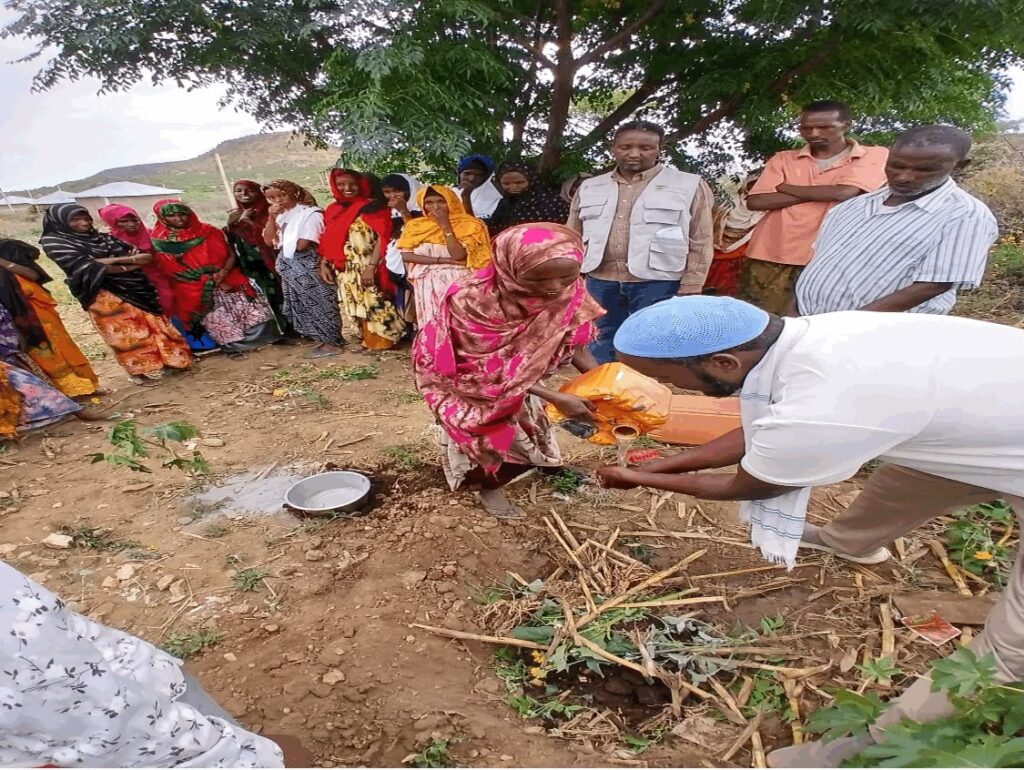
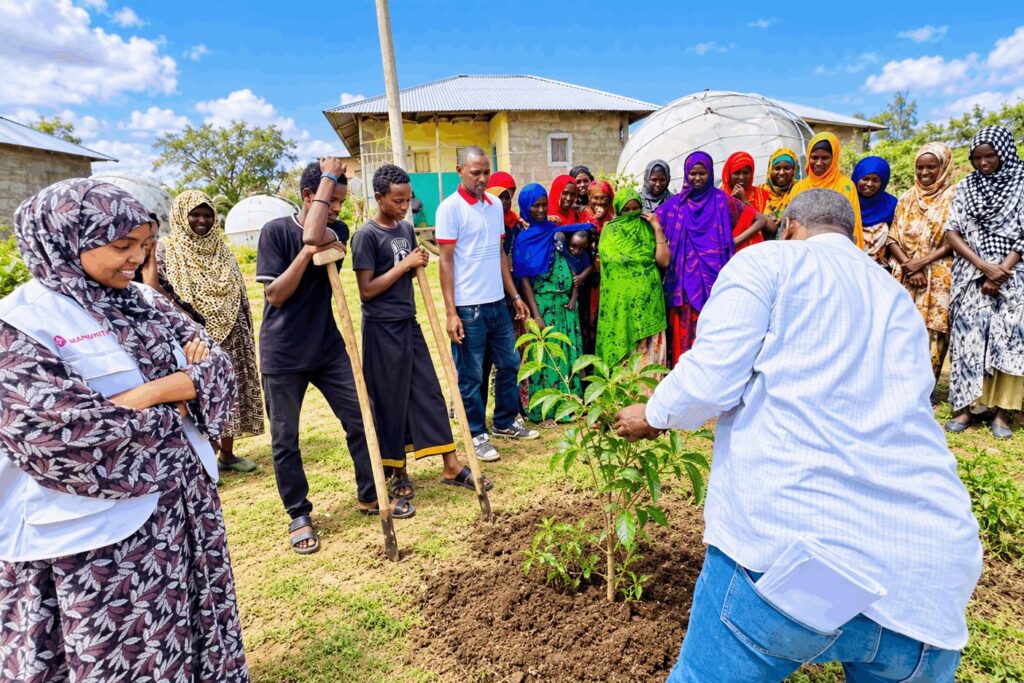
During recent field demonstration sessions, 212 women, men, and community leaders participated in training on the establishment and management of climate-smart Permagardens. Participants gained practical skills in water harvesting and conservation, raised and sunken bed preparation, compost production, mulching, quality seed selection, nursery establishment, transplanting, and intercropping, equipping households with sustainable methods to improve food production and nutrition outcomes.
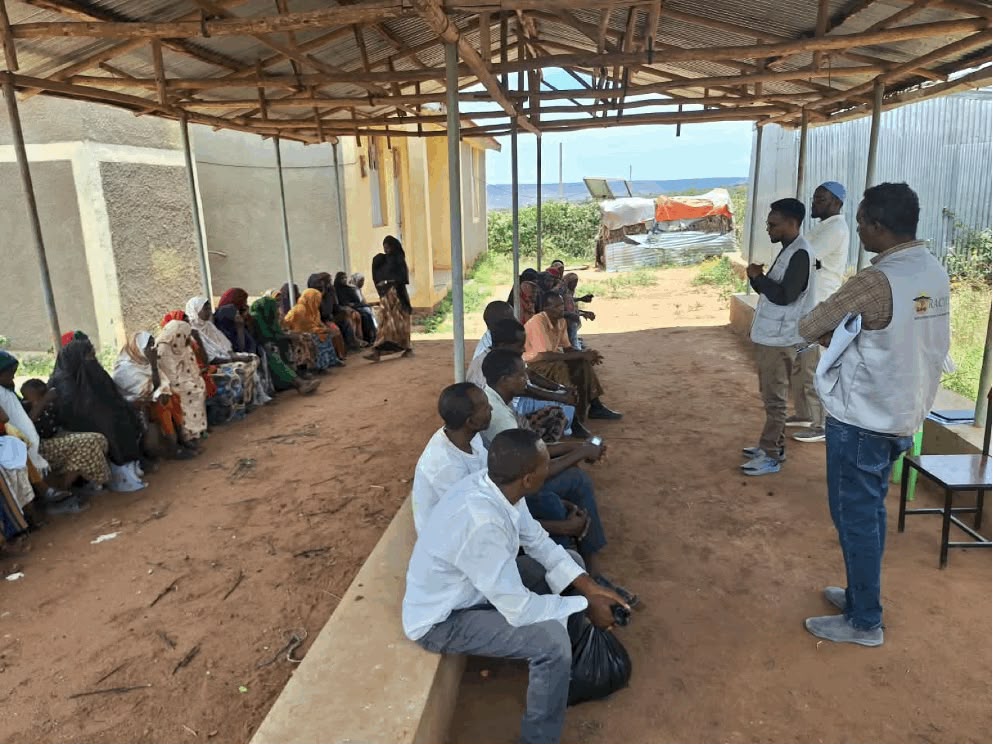
Participants also strengthened their knowledge of natural pest management, crop rotation, seed preservation, and nutrition-sensitive gardening, while promoting shared household responsibilities and inclusive decision-making. These complementary practices enhance both agricultural productivity and household nutrition outcomes. The initiative emphasizes practical, hands-on learning rather than theory alone, enabling participants to confidently apply newly acquired skills within their own households. By promoting resource-efficient food production methods, the training helps families adapt to water scarcity and increasingly erratic rainfall, contributing to improved food security, nutrition, and climate resilience
From training to household food production
Building on the skills gained through demonstration sessions, the project aims to support 200 targeted households in establishing their own climate-smart Permagardens, enabling families to sustainably produce diverse and nutritious foods while strengthening household resilience.
To facilitate this transition, the initiative will provide quality seeds, essential farming tools, and technical assistance to ensure effective garden establishment and management. In addition, investments in water infrastructure, including two shallow wells, solar-powered pumping systems, and elevated water storage facilities, will improve access to irrigation water, supporting year-round food production despite recurring drought and water scarcity challenges.
These investments are designed to address two critical and interconnected barriers to household food production: limited access to practical agricultural knowledge and inputs, and inadequate water availability for sustainable cultivation.
By integrating climate-smart agriculture training, agricultural inputs, water infrastructure, and continuous technical support, the project aims to strengthen the capacity of participating households to establish, maintain, and expand productive Permagardens. This comprehensive approach will help ensure the long-term sustainability of household food production, improve dietary diversity, and enhance resilience to recurrent drought and climate-related shocks.
The potential impact: Better diets, stronger resilience
For households in Shabeley Woreda, the long-term value of climate-smart Permagardening lies in its potential to improve food security, nutrition, and resilience at the household level. By establishing and sustaining household gardens, families can gain greater access to fresh vegetables and other nutritious foods, enhance dietary diversity, and reduce reliance on local markets for food purchases.
The adoption of climate-smart gardening practices, including efficient water management and soil conservation techniques, can help households make better use of scarce natural resources while maintaining productive use of available land. These approaches have the potential to strengthen local food production and improve resilience to recurrent drought and climate-related shocks that continue to affect traditional livelihoods.
The initiative also promotes equitable participation in household food production, enabling both women and men to acquire practical skills, share responsibility for garden management, and contribute to improved household nutrition. While these benefits represent the intended outcomes of the project, their achievement will depend on sustained community engagement, reliable water availability, successful garden establishment, and continued technical support.
Investing in resilience beyond the project period
Implemented from August 2026 to April 2027, the initiative is designed to create a sustainable foundation for climate-smart food production that extends well beyond the project lifecycle. Through a strong focus on capacity strengthening, RACIDA is empowering community members, local leaders, and government stakeholders with the knowledge and skills needed to integrate climate-smart Permagardening into household livelihoods and local agricultural support systems.
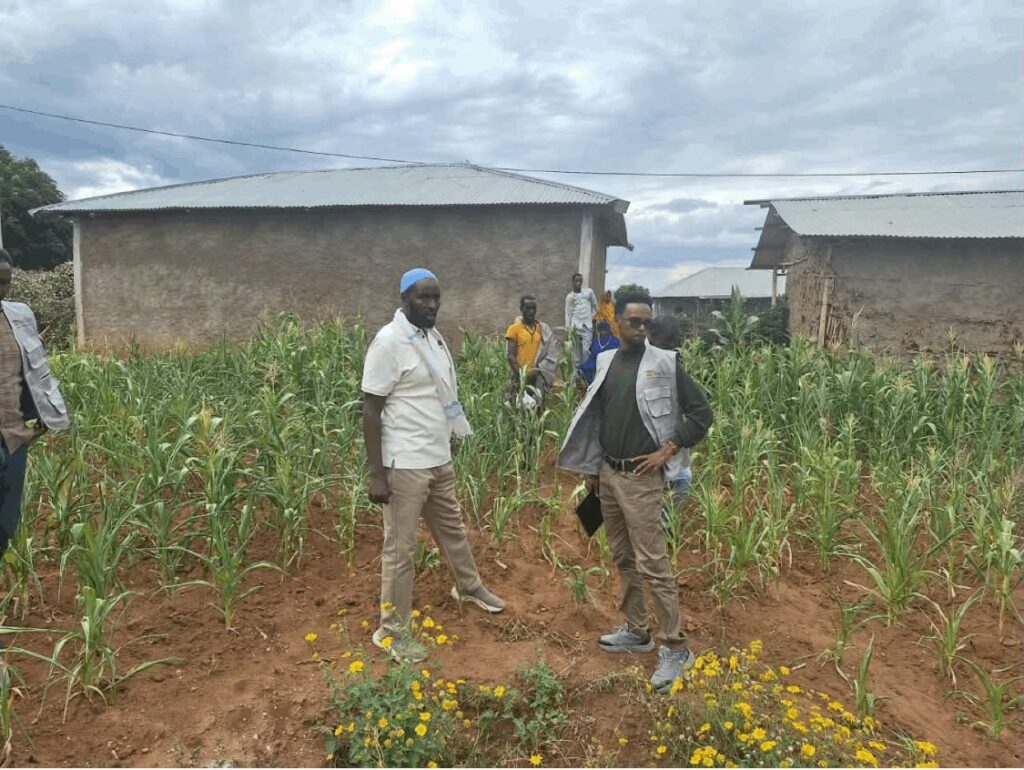
short-term food assistance by promoting self-reliance, sustainable food production, and improved natural resource management.Through practical agricultural training, water-efficient technologies, and continuous technical support, households are better positioned to withstand recurrent droughts, maintain food production, and improve access to nutritious foods.
Ultimately, the success of the initiative will not be measured solely by the number of people trained or gardens established, but by the ability of households to sustain productive gardens, diversify their diets, and maintain resilient food systems during future climate shocks. By combining community knowledge, climate-smart agricultural practices, water-saving approaches, and institutional support, RACIDA and Johanniter International Assistance (JIA) are investing in a long-term pathway toward stronger, more resilient household food systems in Ethiopia’s Somali Region.
RACIDA | Building Resilient Communities for Sustainable Development
Implemented by RACIDA with support from Johanniter International Assistance (JIA).