COP31, the Horn of Africa and Humanitarian Action
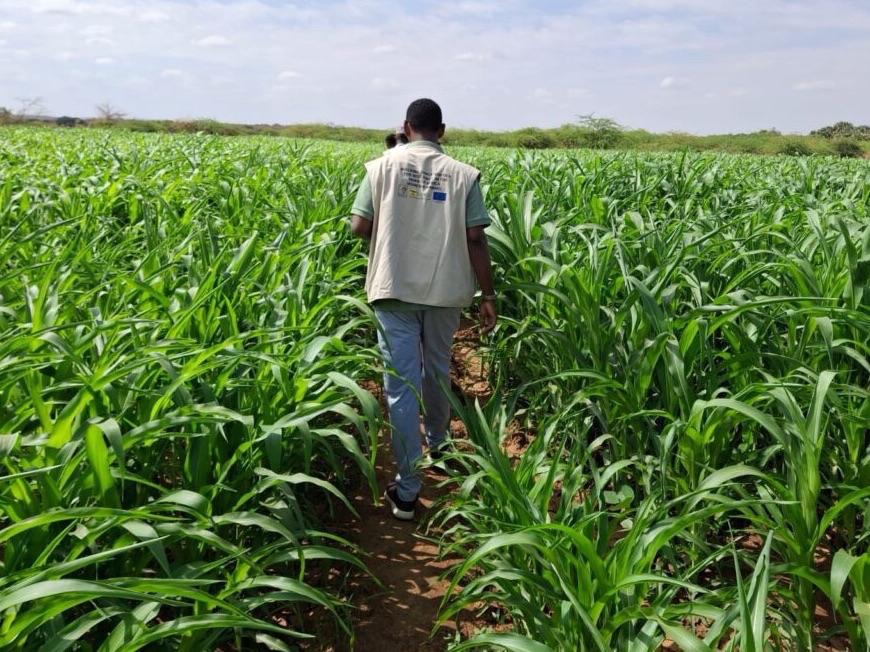
Climate negotiations are measured in targets and pledges, but for dryland communities facing failed rains, depleted pastures and damaged water systems, the test is simple: does support arrive early enough to protect lives and livelihoods?
COP31 in Antalya, Türkiye (9–20 November 2026), hosted by Türkiye with Australia leading negotiations, focuses on turning existing commitments into practical results. Faster emissions reductions, affordable climate finance, adaptation, loss and damage, food security and a just transition are linked priorities—not competing ones.
Financing Adaptation and Centring Africa’s Drylands
The New Collective Quantified Goal agreed at COP29 targets at least US$300 billion annually for developing countries by 2035, with a broader call to scale all sources to US$1.3 trillion. These are collective goals, not dedicated adaptation allocations. UNEP’s Adaptation Gap Report 2026 estimates needs of approximately US$305 billion annually by 2035 against current public flows of US$28–32 billion. Even tripling adaptation finance would fall short. The challenge is credible delivery, access and accountability.
Africa’s drylands are productive ecological and economic systems sustained by livestock, trade, seasonal mobility, local knowledge and, where conditions allow, cultivation. Resilience depends on managing variability, not eliminating it. Climate responses must protect the relationships between pasture, water, markets and movement. Pastoral and agro-pastoral systems should be recognised as part of the solution. The African Union Climate Change and Resilient Development Strategy and Action Plan 2022–2032 provides a continental bridge linking climate commitments with development priorities.
The Horn of Africa and the Mandera Triangle
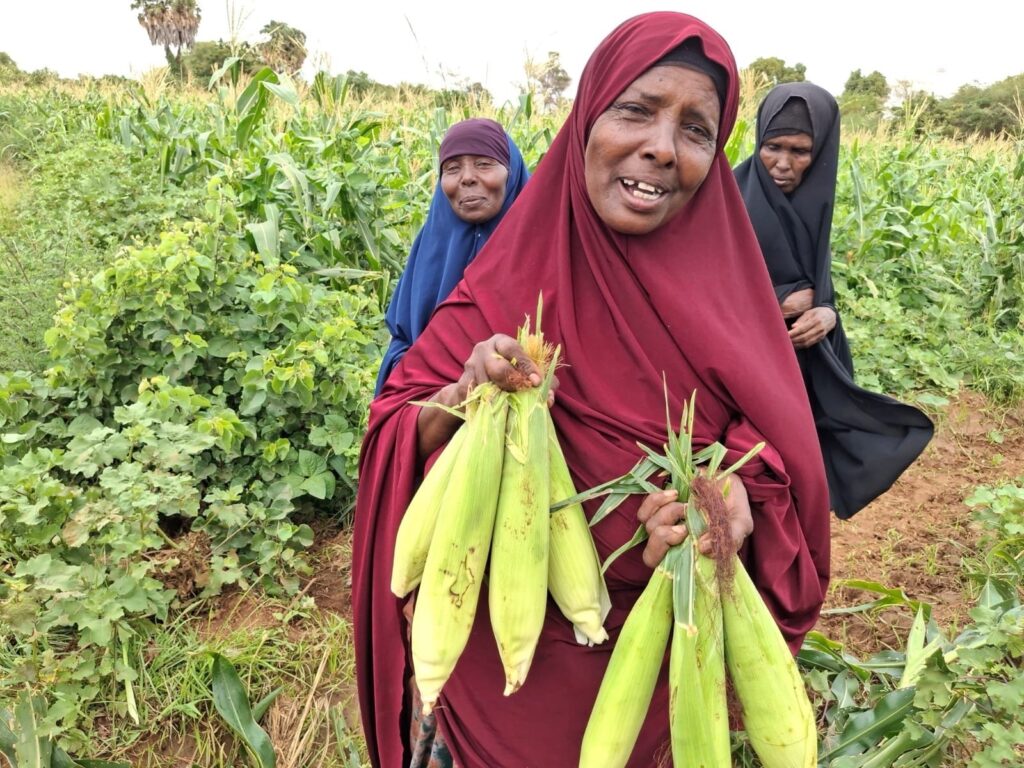
In the Horn of Africa, drought and floods interact with livelihood insecurity, limited services, market disruption and conflict. Across northern Kenya, southern Ethiopia and Somalia’s Gedo region, households depend on interconnected production systems, shared resources and cross-border markets. Seasonal pastoral mobility is a deliberate adaptation strategy and must be distinguished from forced displacement. Treating all movement as a problem risks weakening a central dryland coping mechanism.
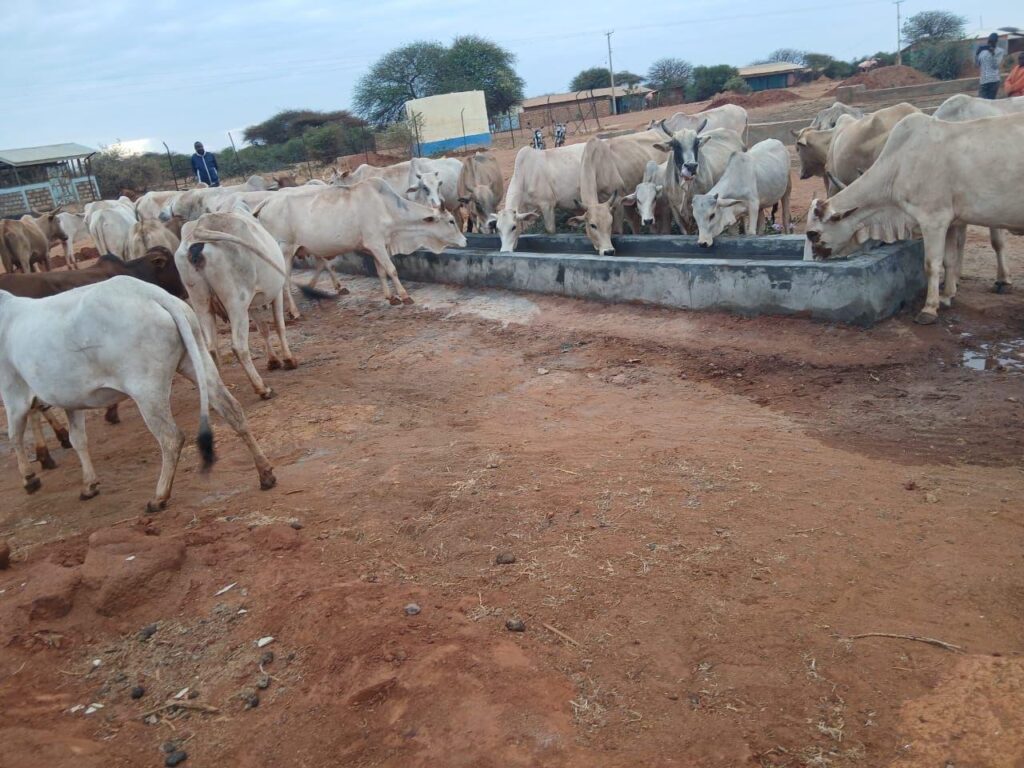
RACIDA, founded in 2001, strengthens resilience among communities in the arid and semi-arid lands of Kenya, Ethiopia and Somalia. The Hanaano Programme—implemented with Concern Worldwide and regional partners and funded by Irish Aid—links nutrition, livelihoods, water, sanitation and hygiene, natural resource management, community engagement and conflict sensitivity to prevent child wasting. Its systems approach recognises that nutritional outcomes depend on food, water, care and reliable incomes.
The recently announced US$30 million Adaptation Fund initiative for the Mandera Triangle (implemented by UNDP with IGAD and the governments of Kenya, Ethiopia and Somalia) brings cross-border climate resilience into the financing conversation. Its real value will be measured by implementation quality, community participation and sustained benefits.
Interlinked Advocacy Priorities
Finance Adaptation and Recognise Pastoralism
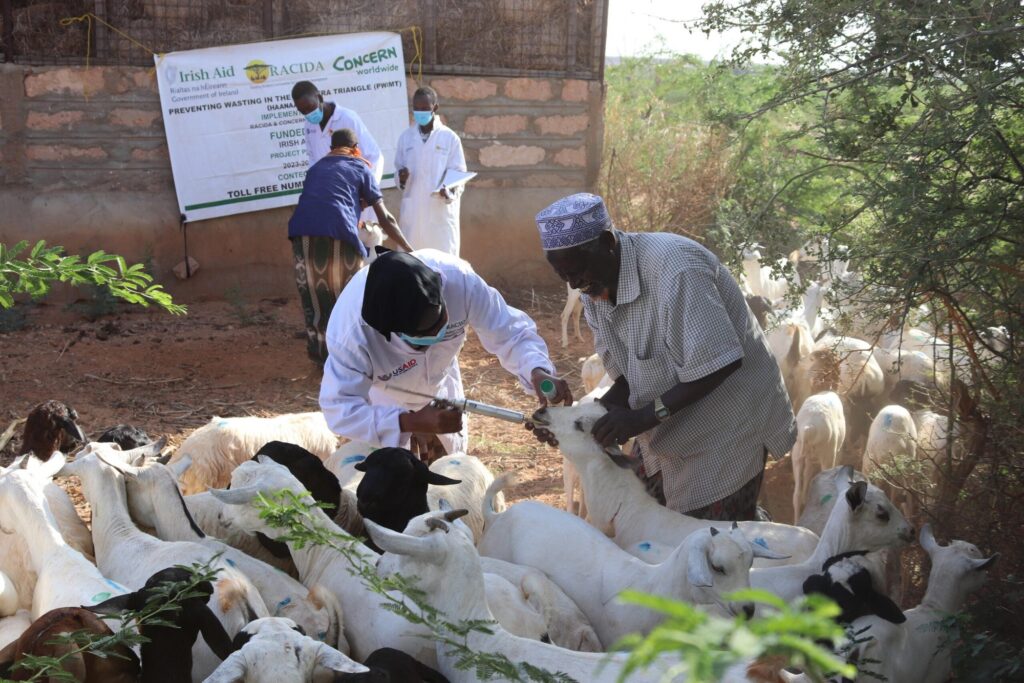
Predictable, grant-based adaptation finance with transparent delivery to local levels is essential. Connect climate information to action on water, animal health and livelihoods. Early warning needs resources to act. Food security advocacy must address the whole livelihood system—livestock, rangelands, water, markets, mobility and appropriate cultivation. Support veterinary services, sustainable rangeland management and market access. Diversification should expand choices rather than force abandonment of viable pastoral practices.
Loss and Damage, Just Transition and Cross-Border Cooperation
Adaptation cannot prevent all harm. The Fund for Responding to Loss and Damage faces demand of US$2.8 billion against an initial US$342 million. Complement emergency aid with recovery support under its own rules. A just transition in drylands requires affordable energy for water, health and enterprises, backed by maintenance, skills and community priorities. Cross-border cooperation through IGAD platforms and the Transhumance Protocol is essential; community leadership must shape investments and oversee services.
Aligning Humanitarian Programming and Measuring Results
Climate commitments become useful when their implications for programming are explicit. Alignment is a reasoned explanation of how a programme meets immediate needs while contributing to policy objectives under the Paris Agreement (Articles 7–9), the Sendai Framework, the African Union climate strategy, IGAD’s drought-resilience approach, and national instruments such as Kenya’s Climate Change Act 2016 and NCCAP 2023–2027, Ethiopia’s National Adaptation Plan, and Somalia’s National Adaptation Plan 2026–2030. Programmes must remain needs-based, uphold the Core Humanitarian Standard and Sphere standards, and respect the OECD DAC Humanitarian–Development–Peace Nexus. Stronger climate links must improve—not compromise—principled assistance.
A coherent programme starts with a shared understanding of risk and sequences different instruments: anticipatory measures before shocks, needs-based assistance during emergencies, recovery of services and assets, and longer-term adaptation investments in governance, infrastructure and livelihood choices. Coherence comes from coordination and accountability, not a single funding stream.
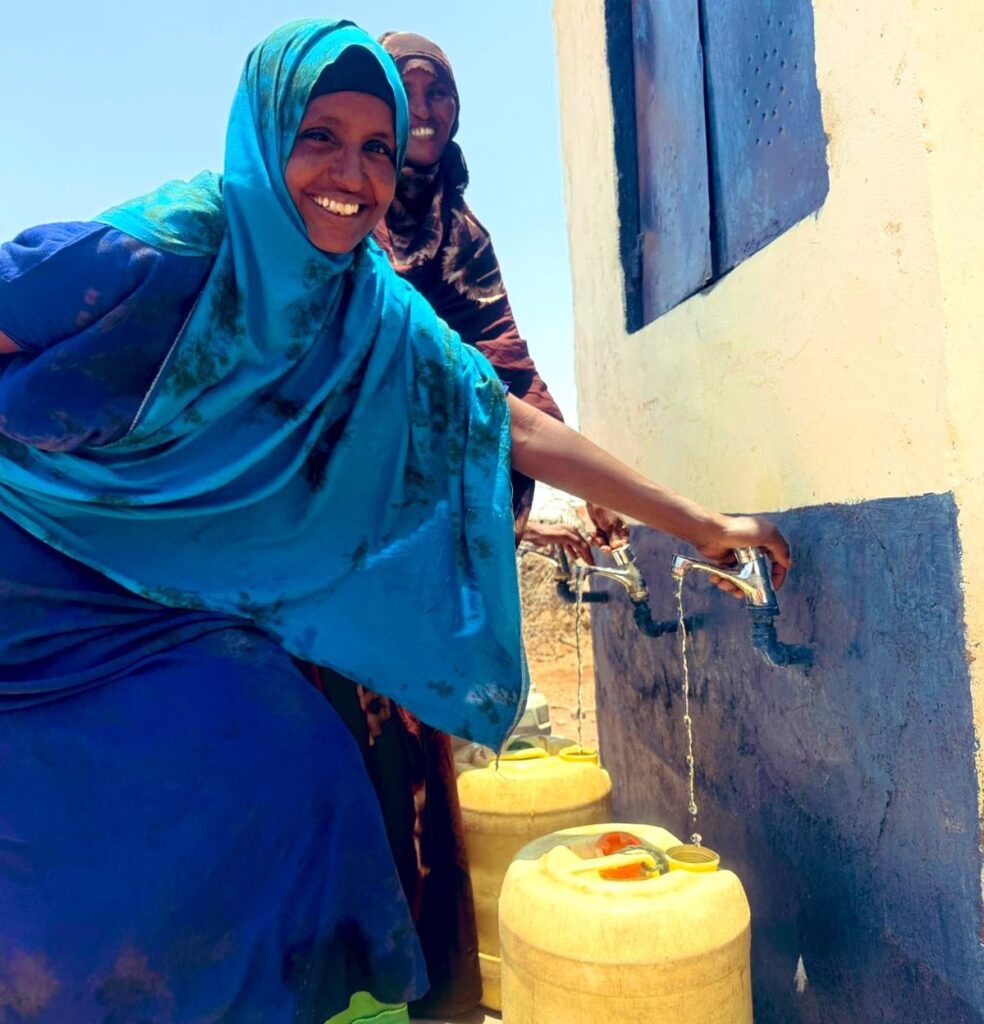
For RACIDA, the opportunity is to connect community risk analysis with national and regional priorities, strengthen partnerships with public institutions, and turn local evidence into credible advocacy. Success is measured by outcomes that matter to communities: warnings followed by action, reliable water, fewer avoidable livelihood losses, timely assistance, stronger recovery and greater influence over decisions.
From Commitments to Community-Level Accountability
For Africa’s dryland communities, the success of COP31 must be measured beyond negotiated targets and financial pledges. It must be reflected in accessible adaptation finance, stronger local institutions and investments that reach communities before climate shocks become humanitarian emergencies. Governments, climate funds and development partners must prioritise locally led adaptation, recognise pastoralism as a viable climate-resilient livelihood system, and ensure that women, young people and community-based organisations have meaningful influence over climate investment decisions. The Mandera Triangle presents an opportunity to demonstrate how regional cooperation, predictable financing and community leadership can translate global climate commitments into measurable improvements in people’s lives and livelihoods.
The strongest COP31 outcome for Africa’s drylands would be a clearer route from global commitments to locally accountable action: credible adaptation-finance milestones, greater recognition of pastoral systems, adequately resourced loss-and-damage responses, and stronger support for regional cooperation. Households should not have to lose productive assets before support arrives, and communities should not navigate disconnected programmes for water, nutrition and livelihood assistance.
The Mandera Triangle is not only a place where global climate policy needs to arrive; it is also a place from which policy can learn—about managing variability, sustaining interdependent livelihoods and coordinating across borders. The final measure of implementation is whether communities have more resources, stronger choices and better support before, during and after the next shock. That is where climate ambition becomes humanitarian relevance—and where promises begin to earn trust.
Rural Agency for Community Development and Assistance (RACIDA)
Building resilient communities across the Mandera Triangle — Kenya, Ethiopia and Somalia