Resilience is built when communities have more than resources—they have the knowledge, support and tailored guidance to turn those resources into lasting livelihoods.
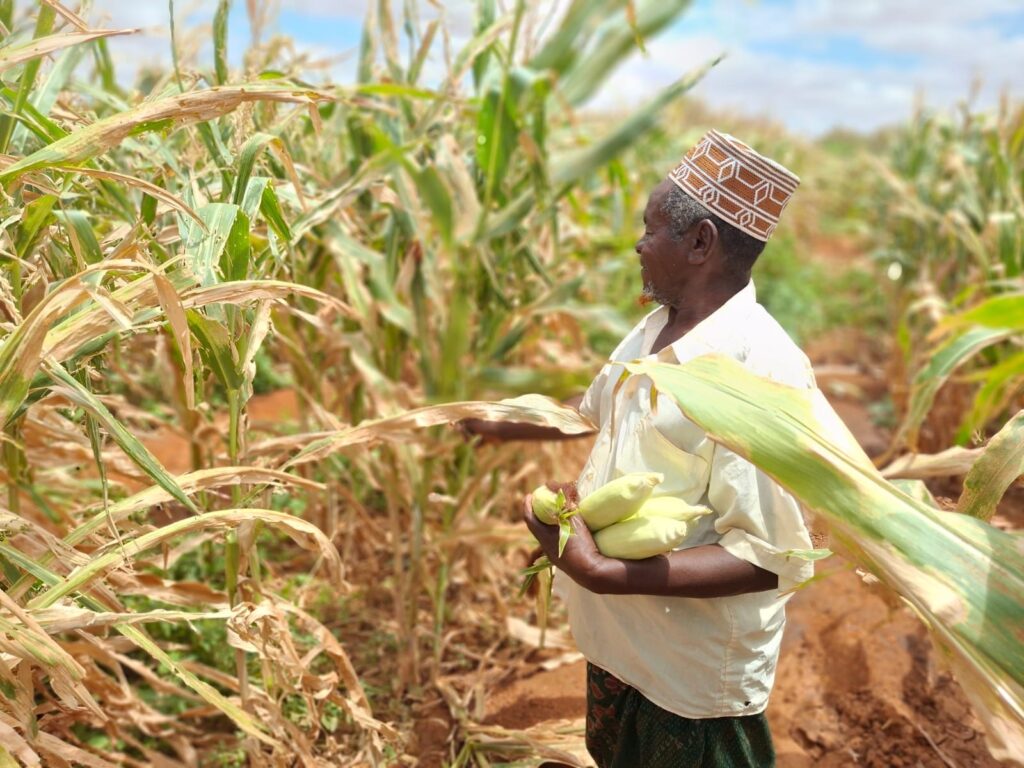
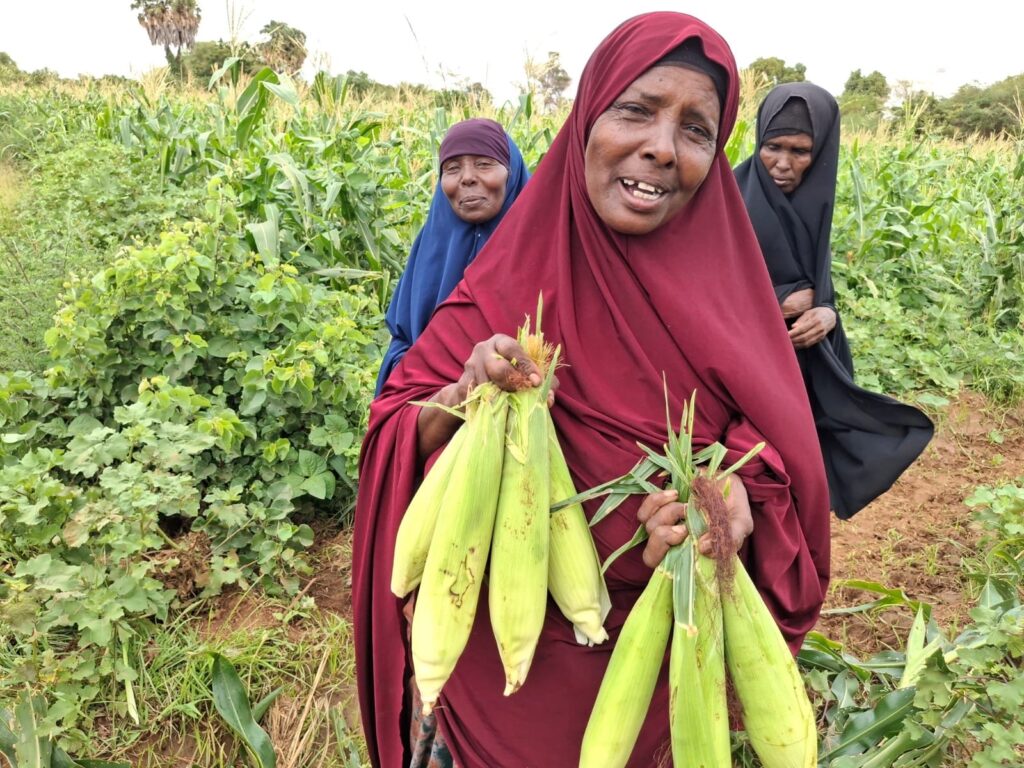
In Gadudia and Aresa, Mandera County, ELEVATE Project, implemented by RACIDA with support from IOM Kenya and funded by KOICA, is investing in that capacity by helping farmers strengthen production, manage climate risks and build more resilient livelihoods.
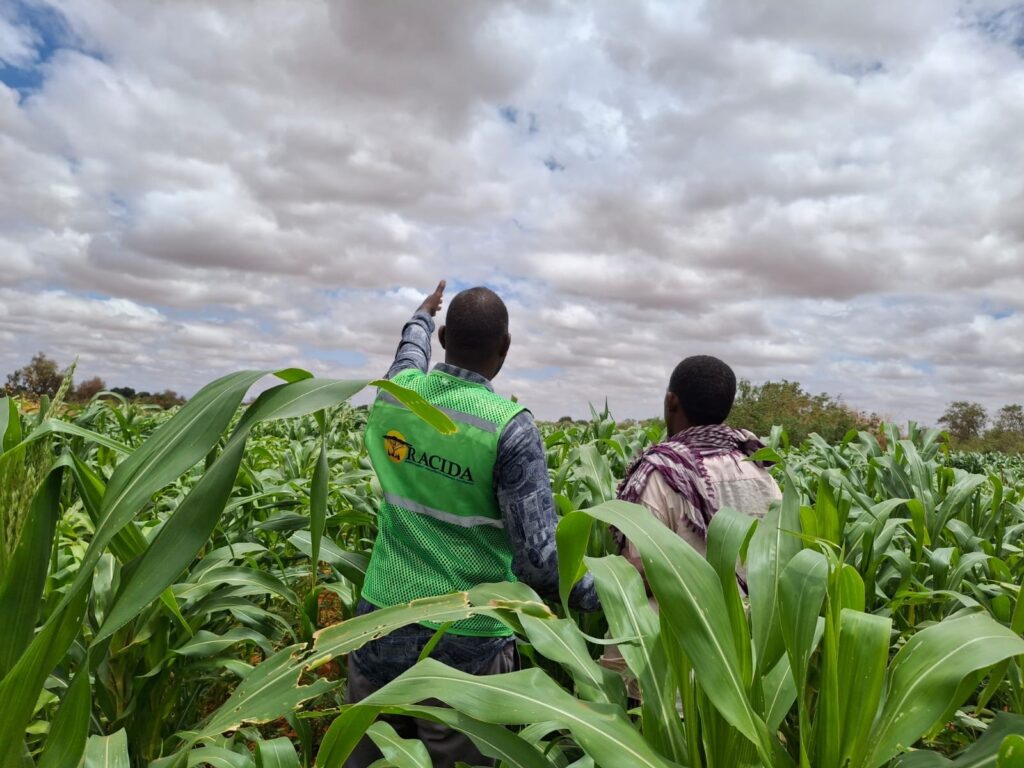
The project is linking 150 farmers with extension officers from the Mandera County Department of Agriculture for practical, on-farm support throughout the farming cycle.
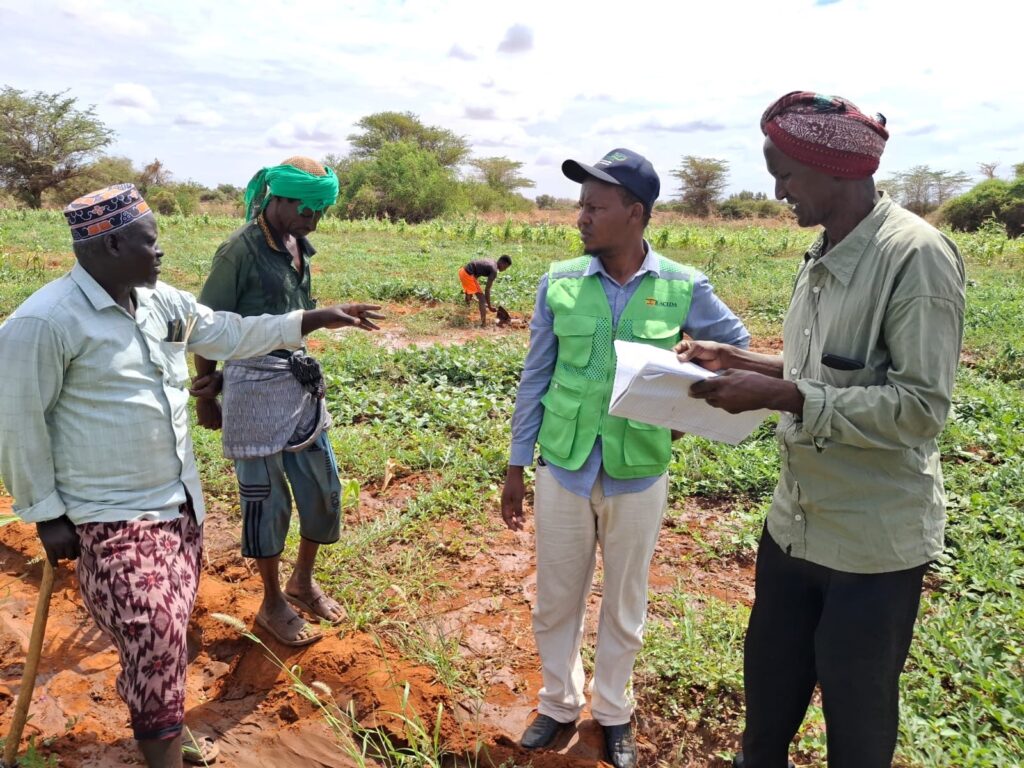
Because farming is both an art and a science, the approach goes beyond working with farmers collectively. Each farmer is followed individually on their own farm.
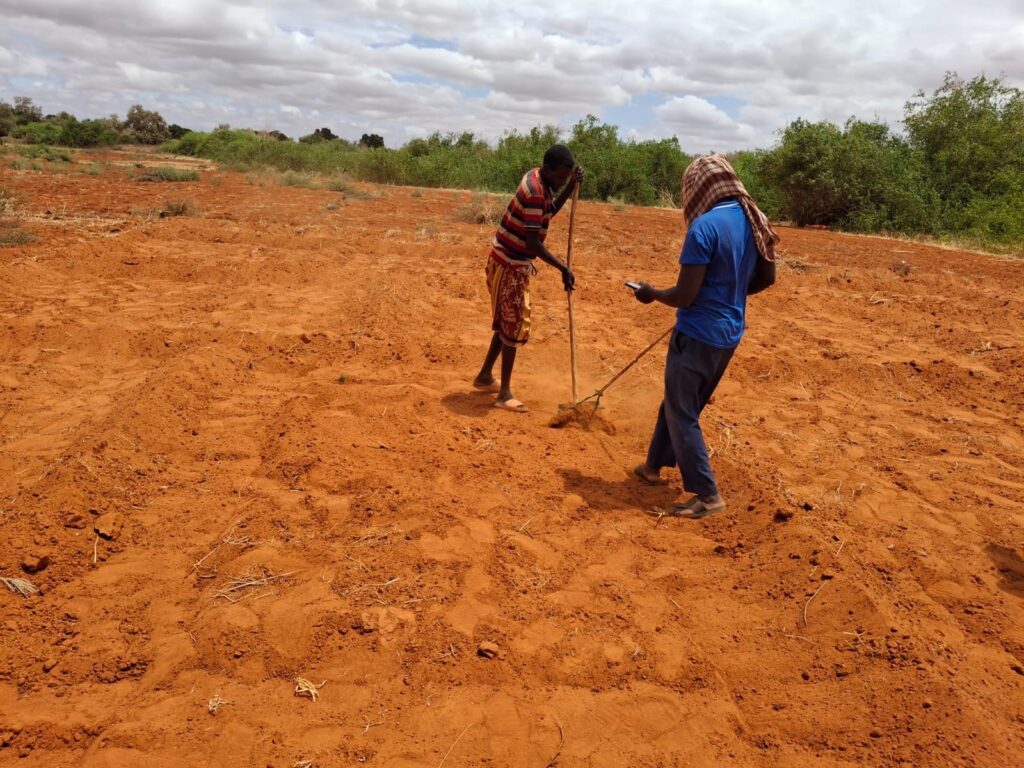
Extension officers track the progress of each farmer from land preparation and planting through to harvesting. They identify farm-specific challenges, provide tailored solutions and offer practical guidance based on what is happening in each field. This continuous one-on-one support helps farmers make timely adjustments, improve crop performance and minimise losses while working towards maximum production.
Farmers receive guidance on timely planting, crop spacing, soil and water conservation, pest management and other climate-smart practices. They are also supported to interpret weather and early warning information and translate it into practical decisions about when and what to plant.
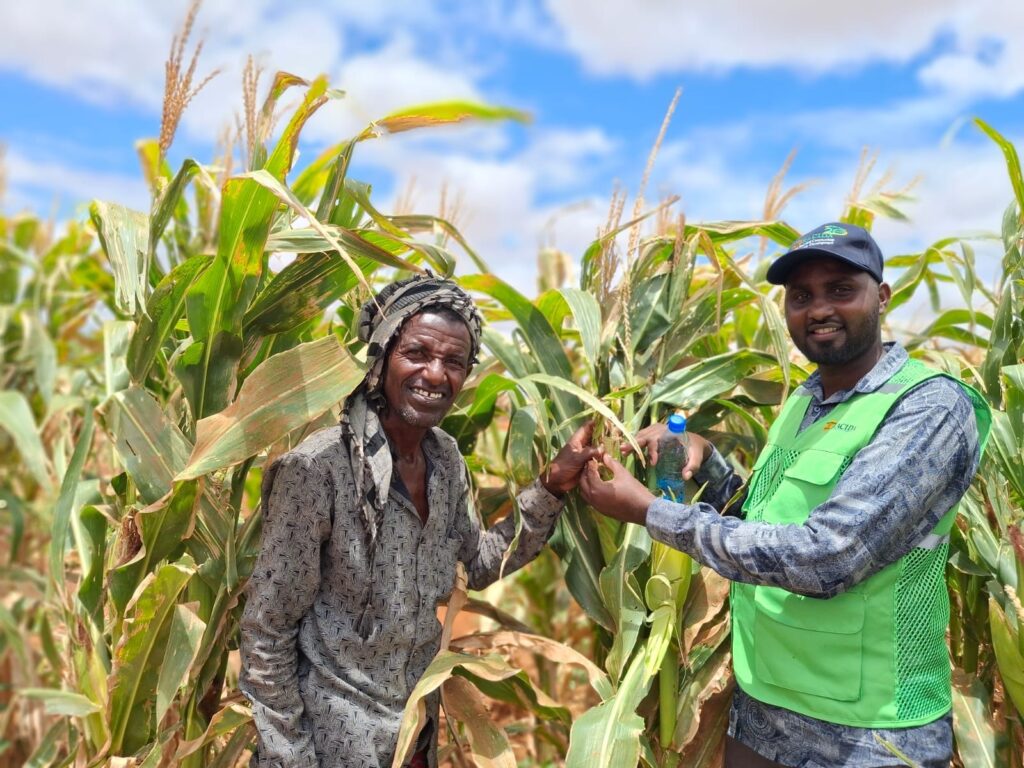
Water harvesting, mulching, integrated pest management, climate-adapted seeds and improved storage further help farmers manage climate variability and make better use of the resources available to them.
The investment therefore goes beyond providing seeds and tools. It strengthens the knowledge, confidence and decision-making capacity farmers need to manage their farms throughout the season—not simply at the point of distribution.
The result is a more responsive farming system: the right advice, at the right time, for the right farm.
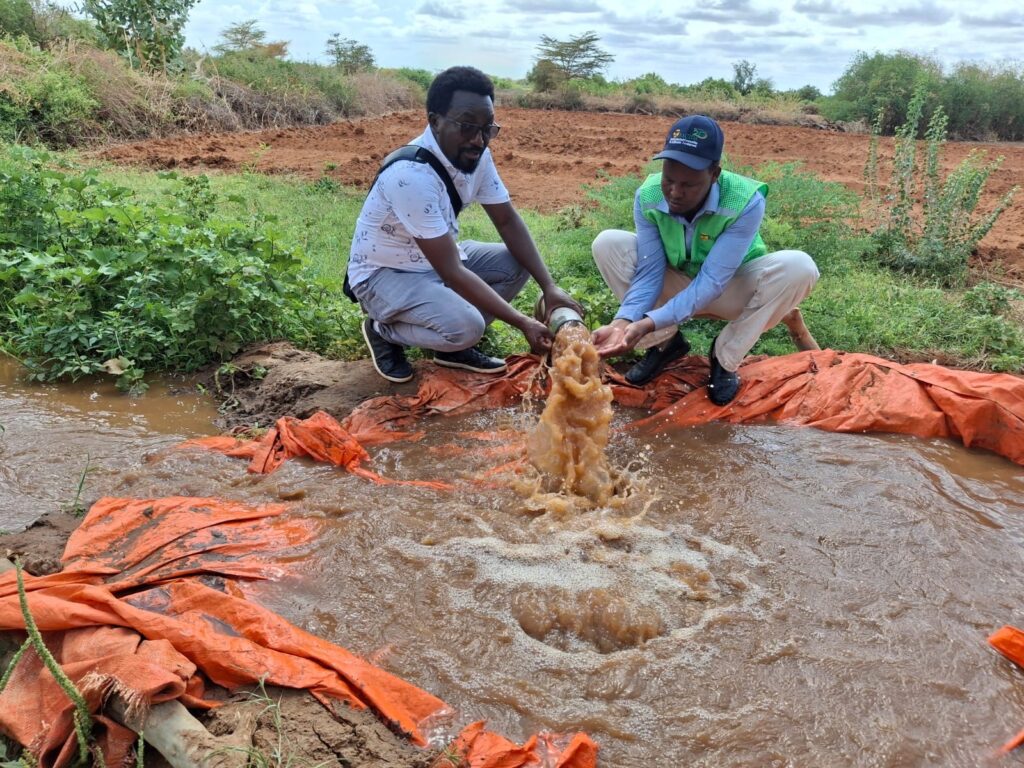
Through this approach, ELEVATE is helping farmers improve production, reduce avoidable losses, strengthen household food security and build greater resilience to future climate shocks.
Because sustainable resilience takes root when farmers are not only given the means to grow, but are supported to grow better.