While world leaders debate trust and transformation at UNGA 81, farmers, mothers and GBV champions in the Horn of Africa are already doing the work those pledges describe.
The General Assembly hall is full this week. Speeches will talk about trust, climate finance, and a United Nations that “delivers for all.”
Delivery, in the Mandera Triangle, has a different sound. It is a pump starting. A mother-to-mother group counting seedlings. A GBV champion walking a survivor to a gender desk that now knows her name.
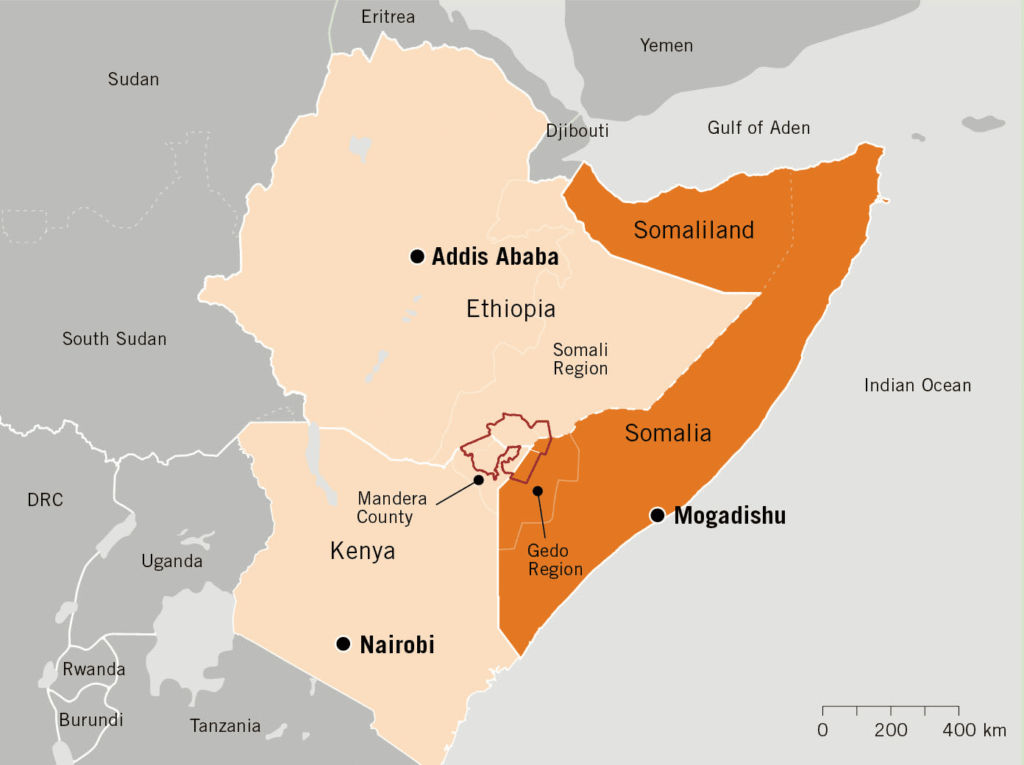
RACIDA was founded in 2001 to stand with agro-pastoralist communities in the arid and semi-arid lands of Kenya, Ethiopia and Somalia. The work is still the same test: whether global promises survive the last mile — across borders, failed rains, and communities that are too often treated as the footnote to a New York agenda.
What New York is discussing today
Two meetings on 23 September matter for the borderlands.
The first commemorates the 40th anniversary of the Declaration on the Right to Development. In 1986, states said development is not charity. It is the right of every person and every people to participate in, contribute to, and enjoy economic, social, cultural and political development. Forty years on, that right still has to be earned in places where water, food, safety and a voice in decisions are not guaranteed.
The second is the high-level meeting on climate action and the just transition. For ASAL communities, climate is not a 2050 scenario. It is this season’s rain, this season’s herd, this season’s walk for water.
That is why RACIDA’s line to UNGA 81 is simple: a just transition that does not finance adaptation in the borderlands is not just.
The story on the ground
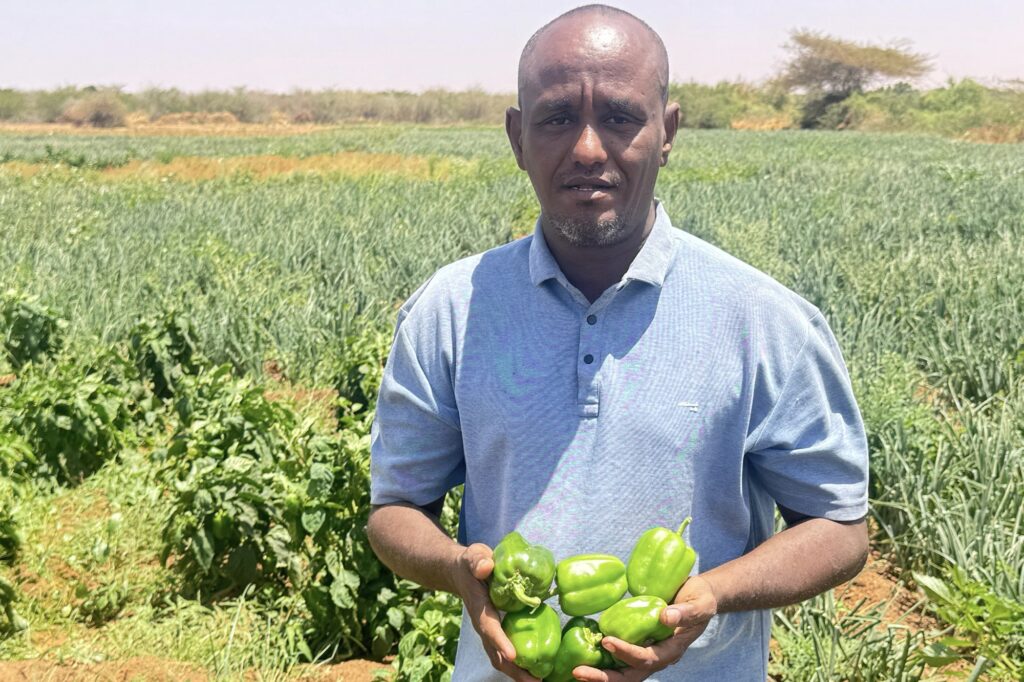
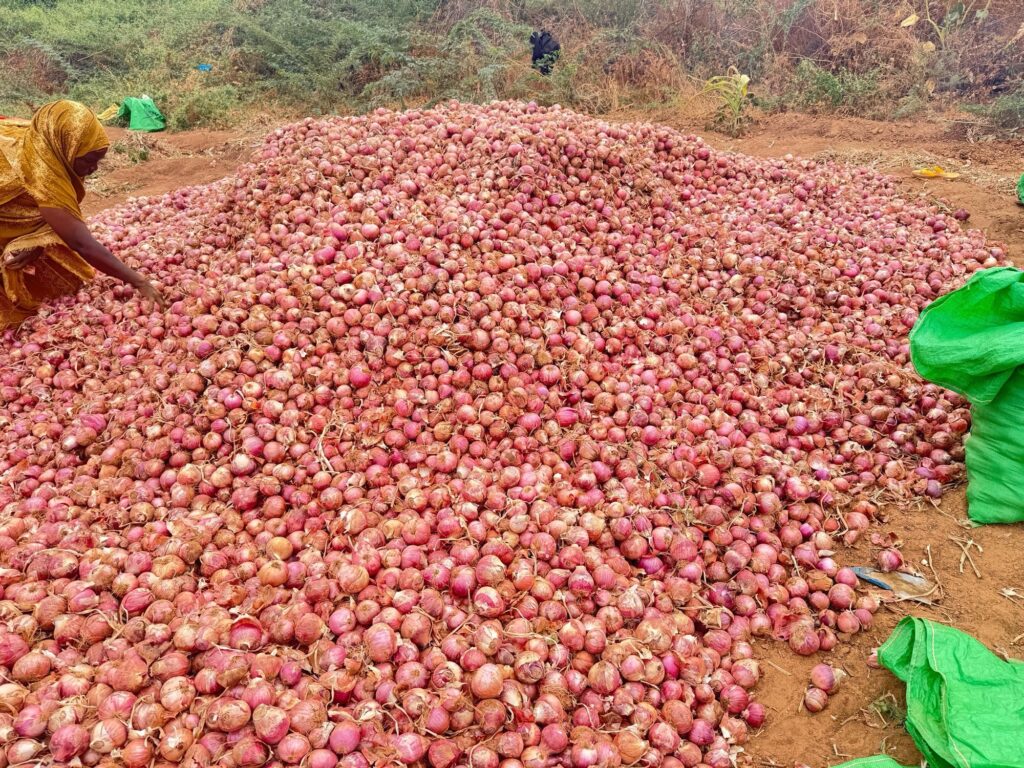
In Neboi, Mandera East, Abdifatah Mohamed Sheikh used to farm against the weather, the Hanaano Programme — “nurture” in Somali — reached his group with a natural resource management grant. They bought water pumps. The plot that had been a gamble began to feed a household and a market. Fresh vegetables. Income. A little more room to plan.
Hanaano is a three-year, cross-border programme funded by Irish Aid and implemented with Concern Worldwide, RACIDA in Kenya, Pastoralist Concern in Ethiopia and Lifeline Gedo in Somalia. Its purpose is not a food drop. It is to prevent child wasting by tackling the reasons children waste: feeding and care practices, livelihoods, water, natural resources, gender, and the policies that still treat the Triangle as three separate emergencies instead of one living community.
That is the right to development in practice. Not a communiqué. A garden that holds.
In Rhamu, the Kulmiye Mother-to-Mother Support Group started with vegetables, maize, cowpeas and watermelon. They added papaya. Diversifying was not a donor slogan. It was a decision by women who know that one crop is one drought away from a hungry child.
In Lulis, the same programme is nutrition, WASH, livelihoods and gender in one household: a meal prepared, a baby held, a woman walking to her support group with knowledge she will pass on.
This is transformation that can be photographed. It is also transformation that disappears if the water system fails, if the referral pathway for a survivor is broken, or if the next shock arrives without early financing.
What “delivers for all” must include
RACIDA’s work in the Triangle is a map of the UNGA agenda, written in local ink.
• Food and climate. Nutrition-sensitive farms, livestock health, water pans, solarised boreholes, community-managed disaster risk reduction. Adaptation is the just transition that ASAL families can actually use.
• The right to development. Water, food, schooling, safety, and a seat in the decisions that shape their land. Mother-to-mother groups and Water Resource User Associations are not “beneficiaries.” They are the governance the Declaration asked for.
• Peace and protection. GBV champions and service providers in Mandera East, Mandera North, Banisa and Lafey have been trained together so a survivor is not sent from one closed door to another. Trust is rebuilt at the gender desk, not only at the podium.
• The next generation. In Mandera East and Mandera North, RACIDA is working with the Ministry of Education, UNICEF Kenya and the EU to put practical STEM equipment into schools. A child who can run an experiment is a child whose future is not written only by drought.
None of this replaces humanitarian action. Drought, conflict and displacement still arrive. The point RACIDA has made for 25 years is that response without resilience is a cycle, not a strategy.
Early warning without early money is the same problem in another language. With El Niño conditions in the forecast, partners across the ASALs are tightening preparedness now. Anticipatory action only works if finance moves as fast as the weather.
A message that can travel from Mandera to UNGA
If the United Nations is to restore trust, it will not be because the hall was full. It will be because a woman in Banisa can get water without walking through risk; because a farmer in Neboi can sell what he grew; because a girl in Mandera North can walk into a laboratory instead of leaving school; because a survivor is believed the first time she speaks.
RACIDA’s ask this week is not abstract:
Invest in locally led resilience.
Protect humanitarian action.
Finance adaptation at the scale of the risk.
Put communities at the centre of climate and development decisions.
That is what “a United Nations that delivers for all” should mean when the cameras leave New York and the rains decide whether a child eats.