How the ELEVATE Project helped IQRA Poultry Farmers rebuild their enterprise, restore their confidence and strengthen their livelihoods
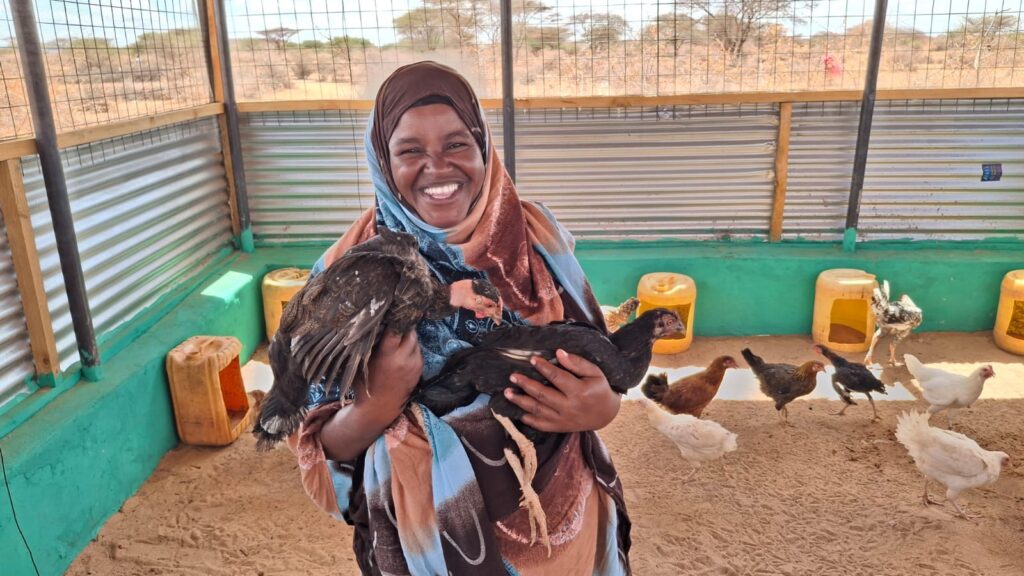
For the IQRA Poultry Farmers Group, poultry farming began as an opportunity to diversify their livelihoods and build a more resilient source of income. With strong market demand for poultry products, the group saw an opportunity to establish an enterprise that could support their households while strengthening their economic resilience.
But their first attempt did not go as planned.
When an Opportunity Became a Setback
The group started poultry farming with ambition, but limited technical knowledge and inadequate infrastructure quickly became major challenges. Their poultry housing was poorly designed, with insufficient ventilation and limited space for the birds.
During a period of extreme heat, conditions became even more difficult. Overcrowding, poor ventilation and heat stress led to the loss of almost the entire flock.
Only three chickens survived.
The loss was devastating. What had started as a promising livelihood opportunity had become a major setback, affecting not only the group’s investment but also their confidence and ambition to continue.
A Second Chance Through ELEVATE
The group’s journey changed when it was competitively selected to receive support through the ELEVATE Project, implemented by the Rural Agency for Community Development and Assistance (RACIDA), with funding from KOICA through IOM Kenya.
Rather than simply replacing the birds, the intervention addressed the underlying challenges that had contributed to the group’s initial failure.
The group received capacity-building support from the Departments of Veterinary, Livestock and Trade, gaining practical knowledge in poultry management, disease prevention and control, and business management.
They also received the infrastructure and materials needed to apply this knowledge.
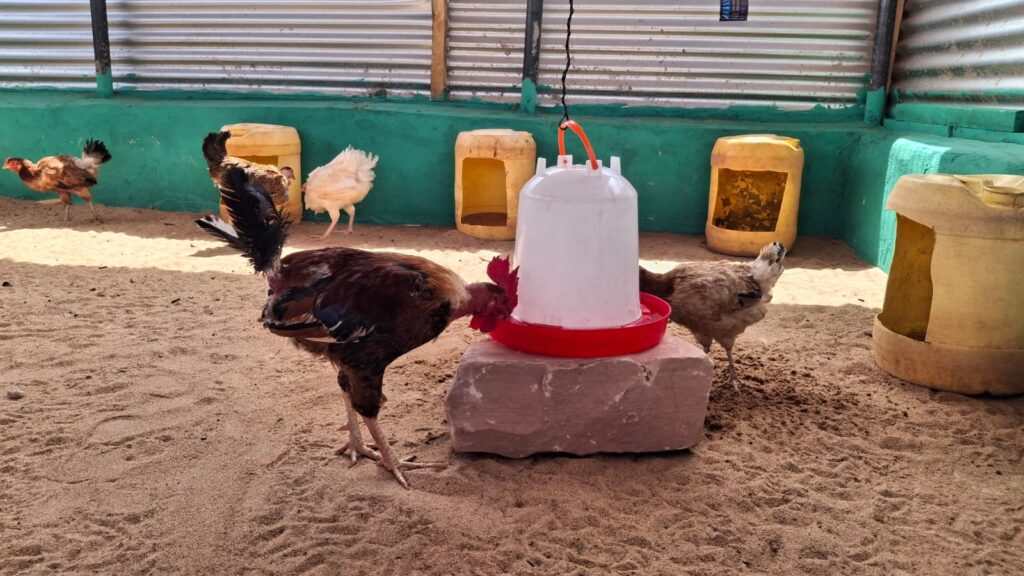
Through ELEVATE, the group was supported with a well-designed, spacious and well-ventilated poultry house, nutritious feeds, and modern feeding and watering equipment designed to provide a consistent supply of feed and water while helping reduce heat stress.
From Three Chickens to a Growing Enterprise
With the right knowledge, infrastructure and resources in place, the group began rebuilding.
From the three chickens that survived their initial losses, the flock has grown to 70 healthy birds, with the group now achieving consistent daily egg production.
The transformation has restored more than the flock it has restored the group’s confidence.
What once seemed like a failed enterprise has become a viable source of income and an opportunity for the members to strengthen their household livelihoods.
The poultry enterprise is contributing to steady income and improved household food supplies, while giving the group a climate-resilient livelihood option that can continue to grow.
Rebuilding Trust, One Contribution at a Time
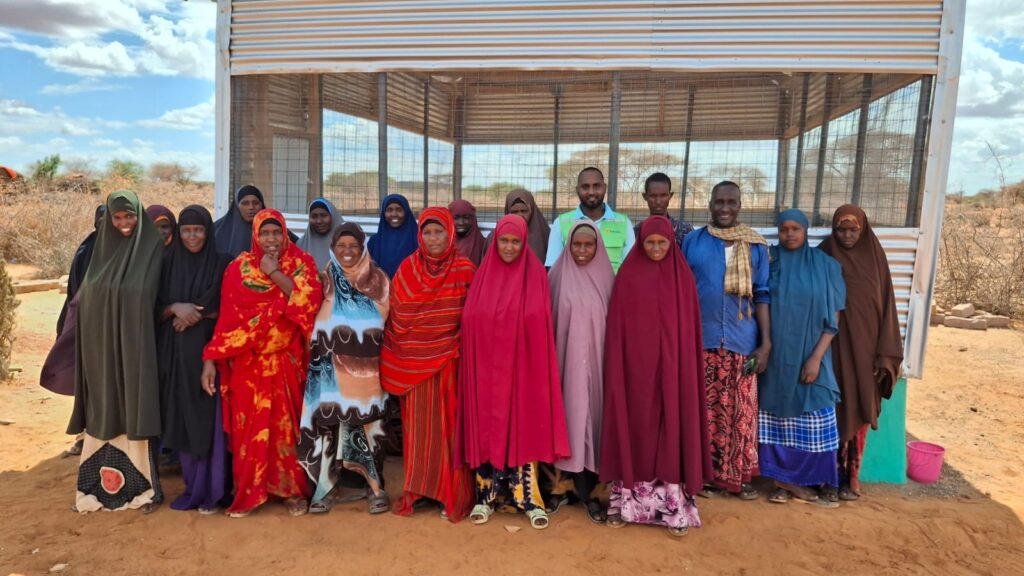
The impact of the intervention has also extended beyond the poultry house.
As the group regained confidence in the enterprise and strengthened its internal organization, members established a table banking system using a Village Savings and Loan Association (VSLA) approach.
Members make monthly contributions and access the pooled funds on a rotational basis. The system has encouraged regular saving, strengthened trust and unity among members, and created greater opportunities for members to meet their financial needs.
For IQRA Poultry Farmers Group, the journey from losing almost an entire flock to building a growing poultry enterprise has demonstrated the importance of combining skills, infrastructure, resources and collective action.
Their story is a reminder that a setback does not have to be the end of a livelihood ambition. With the right support and renewed determination, communities can rebuild, adapt and create stronger pathways to resilience.
From three survivors to 70 healthy chickens and from loss to renewed ambition.
This is what inclusive, climate-resilient economic empowerment looks like in action.