Communities in Ethiopia’s Somali Region Call for Urgent Humanitarian Support
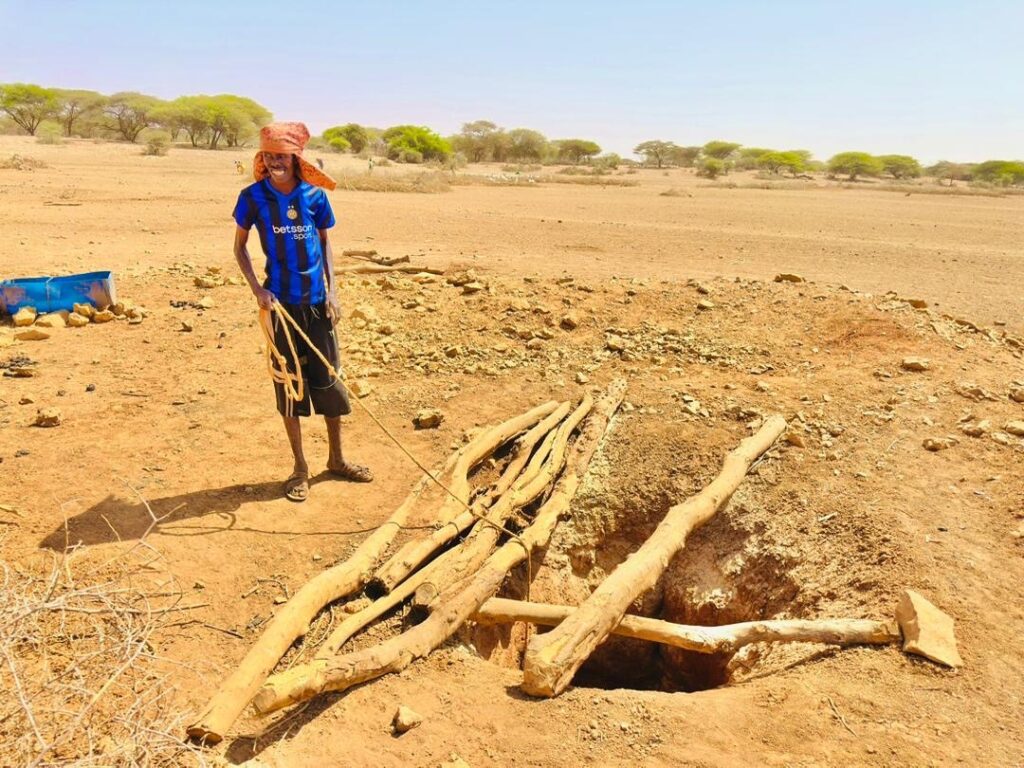
A severe drought is tightening its grip on Dollo Addo district in the Liban Zone of Ethiopia’s Somali Region, leaving families without water, children out of school, and pastoral livelihoods on the brink of collapse. Following the complete failure of the 2025 spring and autumn rains, the land has turned dry and inhospitable, triggering one of the worst crises the region has seen in recent years.
On 22 November 2025, a multi-agency team comprising government departments, UNICEF, RACIDA, Mercy Corps, Save the Children, DRC, COOPI, CISP, VSF and others conducted a Rapid Needs Assessment to understand the scale of the emergency. Their findings reveal a situation deteriorating far faster than communities can cope.
A Water Crisis Affecting Over 350,000 People
The assessment found that 350,008 people in Dollo Addo are facing extreme water shortages after all local sources; birkas, hand-dug wells, and seasonal ponds, dried up completely. In the hardest-hit kebeles of Garbab, Biyoley, and Washaqo-Baar, 2,801 households have no functional water source at all. Women and children now walk 30 to 75 kilometres in search of water that is often unsafe to drink.
Only one government-owned water truck is currently attempting to serve 19 locations, an effort that is far from meeting demand. With open defecation rising and water for hygiene nearly unavailable, the risk of acute watery diarrhoea (AWD) outbreaks is dangerously high.
Rising Malnutrition and Health Risks
Drought conditions have pushed vulnerable families into a worsening health crisis. During the assessment, 128 children were screened for malnutrition across three sites:
• 7 children were found with Severe Acute Malnutrition (SAM)
• 56 children were found with Moderate Acute Malnutrition (MAM)
Health facilities report increasing cases of diarrhoea, skin infections, and respiratory illnesses as households are forced to rely on unsafe water. Some health posts lack adequate water even for basic service delivery, while staff remain without emergency supplies or sufficient training.
The situation is compounded by the stress and exhaustion families face as they lose their livestock and struggle to meet basic needs. Two women were reported to have delivered while on the move, highlighting the severe strain on maternal health.
Pastoral Livelihoods in Collapse
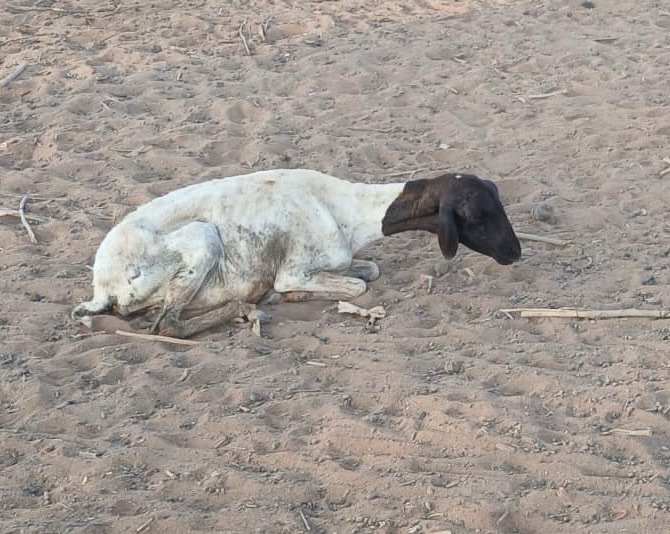
For pastoral households, livestock are not just assets, they are survival. But the drought has devastated herds across Dollo Addo. The assessment confirmed:
• 246 livestock deaths
• 347 cases of livestock morbidity
• 273,648 livestock at immediate risk
Animals are travelling up to 72 kilometres in search of water, weakening rapidly. Diseases such as CCPP, CBPP, sheep and goat pox, lumpy skin disease, and suspected PPR continue to spread as veterinary services become overwhelmed. With livestock emaciated and markets collapsing, families have lost their main source of income, food, and stability.
Displacement Rising as Families Flee Hardship
The crisis has forced thousands to leave their homes in search of water and pasture. The assessment identified 1,963 internally displaced households, 11,778 people, settled in three IDP sites:
• Boriyale: 350 households
• Bokolow: 961 households
• Soley: 652 households
Of these, 197 households are newly displaced due to drought. None of the sites have received sufficient food, water, or non-food items, leaving families in precarious living conditions without proper shelter or protection services.
Education Disrupted as Children Drop Out
The drought is creating a silent education crisis. Although schools remain officially open, attendance has plummeted as families prioritize survival. In the three assessed kebeles:
• 394 students were originally enrolled
• Only 149 are still attending
• 245 children, 62%, have already dropped out
Children are leaving school to help collect water, migrate with livestock, or cope with hunger. Classrooms near riverine areas are becoming overcrowded as displaced families move closer to water points.
Protection Risks Increasing for Women and Children
With families migrating, resources diminishing, and communities settling in makeshift shelters, protection risks are escalating. Women and girls walking long distances for water face increased exposure to gender-based violence. Children risk separation during migration, and many are suffering from trauma linked to displacement, hunger, and uncertainty.
Older persons, persons with disabilities, and pregnant women are among those most acutely affected, often lacking access to the services they need.
Urgent Humanitarian Priorities
The assessment highlights several life-saving interventions needed urgently to stabilize the situation:
Water, Sanitation & Hygiene
• Emergency water trucking
• Repair of wells and birkas
• Communal latrines for IDP sites
• Water purification supplies
• Water storage tanks
Nutrition & Health
• RUTF/RUSF and essential nutrition supplies
• Medical drugs and outbreak control
• Deployment of mobile health and nutrition teams
• Hygiene promotion and safe water education
Food Security & Livelihoods
• Emergency food assistance and cash transfers
• Livestock feed and vaccination campaigns
• Support for crop recovery and drought-resistant seeds
Education & Protection
• School feeding programs
• Temporary learning spaces
• Teaching materials for displaced learners
• Psychosocial support and GBV/child protection services
A Call for Collective Action
The situation in Dollo Addo is deteriorating rapidly. Families are losing their livelihoods, children are dropping out of school, and communities are struggling to access even the most basic services. Without immediate and coordinated humanitarian action, the crisis risks escalating into widespread hunger, disease, and further displacement.
Humanitarian partners are urgently calling for support to protect lives, restore dignity, and help communities withstand the ongoing drought.